Canon Singapore - Personal
  • 1
  • 2
  • 3
  • 4

HS SYSTEM

Dual Anti-Noise system
Canon's proprietary DIGIC 5 imaging processor further enhances the power of the HS SYSTEM by incorporating a more advanced algorithm to deliver rich, low-noise images with outstanding clarity and colour accuracy in all lighting conditions.

The Power to Overcome Any Shots

Perfect PowerShots
Whether you're a first-time digital camera owner, advanced hobbyist or fulltime professional, the PowerShot is packed with powerful creative features to suit all your needs. From quick snaps to underwater pictures, action shots and more, there is a PowerShot model for every user. Small yet steady plus the smart, versatile features of a professional camera, it's the compact camera that captures it all.

The Artist Series

The Artist Series
For those who have an eye for details, PowerShot G and S series give you total artistic control over your images.

The Snapshot Series

The Snapshot Series
Affordable and yet packed with features, the PowerShot A series are perfect for everyone.

The High Zoom Power Series

The High Zoom Power Series
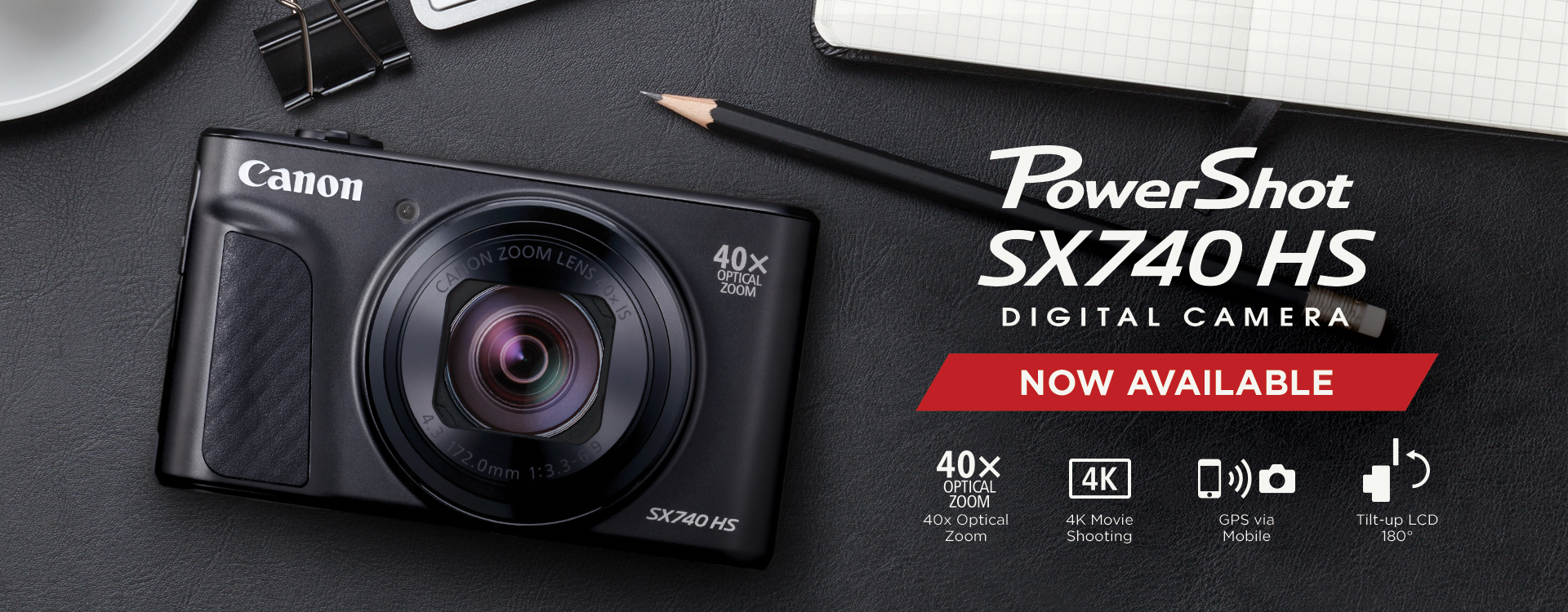
With its powerful zoom lens, the PowerShot SX series let you get up close and person with your subjects.

The Adventure Series

The Adventure Series
Rugged and ready, the PowerShot D series let you go wild outdoors.

Canon DIGIC 5 Image Processor

DIGIC Imaging Processor
The latest-generation Canon DIGIC 5 Imaging Processor further enhances the power of HS SYSTEM by incorporating a more advanced algorithm to deliver images of exceptional quality. Improved noise reduction produces clearer images when shooting in low light even at high ISO speeds. Enhanced i-Contrast performance adjusts differences between light and dark areas to achieve even more natural-looking results. The faster processing speed also results in faster continuous shooting capability. The DIGIC 5 Imaging Processor also makes possible a new, highly advanced automatic white balance system - the new Canon Multi-Area White Balance which analyzes several areas of the image to determine whether different adjustments are needed for the main subject and the background. Whereas conventional white balance makes an overall adjustment based on a single type of light source.